

Intensive Driving Course vs Weekly Lessons: Which Is Better?
Learning to drive is a very exciting milestone, but before you get behind the wheel, there is an important decision to make. Should you take an intensive driving course or stick with the more traditional weekly driving lessons?
Both approaches can help you become a confident and capable driver, but they do offer very different learning experiences. While weekly lessons allow you to develop your skills more gradually, intensive courses provide you with a more focused approach that could help you reach test standards much sooner.
So, when comparing an intensive driving course vs weekly lessons, which option is the best for your own unique circumstances?
In this guide, we will fully explore the advantages and disadvantages of both approaches, including costs, learning styles, and how quickly you could be ready to take your driving test.
What Is an Intensive Driving Course?
An intensive driving course is one that is designed in order to help learners develop their driving skills over a shorter period, usually through many hours of tuition each day.
Rather than spreading the lessons across several months, you will complete a concentrated period of practical driving instruction, which allows you to build on what you have learnt without any lengthy gaps between sessions.
At One Stop Intensives, our intensive driving courses will usually take place over five days, with experienced instructors who will help you develop the knowledge and confidence that is needed to become a safe driver.
Our courses also include theory tuition, theory test fees, and practical driving test booking support, providing a convenient way to manage your learning journey.
Although your practical test may take place after your course has finished, the aim is to help you with developing your skills as efficiently as possible and prepare you for the next stage of learning to drive.
What Are Weekly Driving Lessons?
Weekly driving lessons are the more traditional approach to learning to drive and usually involve somewhere between one and two hours of tuition each week.
During these sessions, your instructor will look to gradually introduce new driving skills, which allows you to practise and develop your confidence over time.
For many learners, this approach fits very comfortably around areas of their life such as school, work or family commitments.
However, because lessons are spread out, learning to drive can take several months or even longer, depending on your progress and how frequently you are able to practise.
At One Stop Intensives, we also offer weekly driving lessons for learners who prefer a more gradual approach.
If you are considering traditional lessons, you might also be wondering how many driving lessons you should take a week to make steady progress towards your test.

Intensive Driving Course vs Weekly Lessons: The Key Differences
Although both methods do aim to prepare you for independent driving, there are some very important differences that are worth considering.
1. How Quickly Can You Learn to Drive?
Perhaps the biggest difference between intensive driving courses and weekly lessons is how quickly you can complete your tuition.
If you go with weekly lessons, you might spend just one or two hours behind the wheel every seven days, which means it can take considerably longer to cover everything that is required for your practical driving test.
An intensive driving course takes a different approach.
By driving for several hours each day, you can practise manoeuvres, improve your road awareness and develop your confidence within a concentrated period.
Another potential advantage is that you will spend less time revisiting skills from previous lessons because everything you have learnt is still relatively fresh in your mind.
So, if you are hoping to become test-ready as quickly as you possibly can, an intensive driving course may be the more appealing option.
However, it is always important to remember that completing an intensive course does not always guarantee an immediate practical test. You will still need to pass your theory test and reach the required driving standard, then secure a suitable test appointment.
2. Which Learning Method Is More Effective?
Everyone learns a bit differently, so the most effective approach will always depend on your personality and how confident you feel, along with your own preferred learning style.
Some people will benefit from regular, concentrated practice, as they find it easier to remember instructions, build confidence, and improve their skills when lessons take place close together.
For these types of learners, an intensive driving course can be particularly beneficial.
For example, if you struggle to remember everything that is covered during your previous lesson, driving every day could help to reinforce those skills.
On the other hand, some learners prefer having time between lessons to reflect on what they’ve learnt.
Weekly lessons provide you with an opportunity to process new information gradually, which may be even more helpful if you find longer driving sessions a bit tiring or even overwhelming.
Neither method will guarantee better results, but intensive courses can offer a valuable advantage for learners who respond well to consistent, focused practice.
3. Are Intensive Driving Courses Cheaper Than Weekly Lessons?
Cost is another very important consideration when you are choosing how to learn to drive.
Weekly lessons do usually appear more affordable initially because you are paying for smaller amounts of tuition at a time.
However, the total cost can add up over several months, particularly if you require additional lessons to refresh your skills or prepare for your practical test.
Intensive driving courses will usually require a larger upfront payment, but they can offer more convenience by combining a substantial amount of tuition into one package.
At One Stop Intensives, our courses include theory tuition, theory and practical test fees, and practical test booking support, helping you understand what’s included from the outset.
That being said, an intensive course will not automatically be cheaper than weekly lessons, as the overall cost will depend on how many hours of tuition you need, the prices charged, and whether additional lessons are required.
It is always worth comparing the total expected cost of learning rather than just looking at the price of individual lessons.
If you are in the process of weighing up the costs of each approach, take a look at our guide on whether weekly driving lessons are cheaper than intensive courses, for a more detailed comparison.
4. Which Option Is the Best Choice for Building Driving Confidence?
Your confidence at the wheel plays a huge role in learning to drive, particularly when you are navigating busy roads and unfamiliar junctions, then taking on challenging manoeuvres.
One of the biggest advantages of intensive driving courses is the opportunity to practise regularly without any long breaks.
This consistency can help learners become more comfortable behind the wheel, particularly as they begin to recognise situations they have already encountered during previous sessions.
For more nervous drivers, however, spending many hours driving each day may initially feel a little daunting.
Weekly lessons do provide a slightly more gradual introduction, as they allow learners to build up their confidence at a comfortable pace.
At the end of the day, the right choice will always depend on how you respond to new challenges.
If you usually enjoy immersing yourself in something and making noticeable progress over a shorter period of time, an intensive course could be an excellent fit.
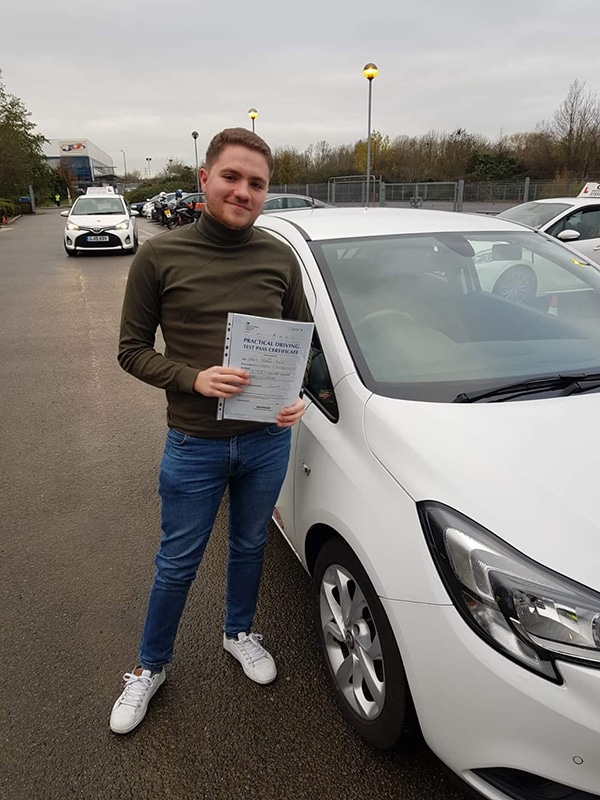
The Advantages and Disadvantages of Intensive Driving Courses
Before you decide whether an intensive course is right for you, it is always worth considering both the benefits and any potential drawbacks.
The Main Advantages of Intensive Driving Courses
- Faster progression: Concentrated tuition allows you to develop your driving skills in a matter of days rather than having to spread your lessons across many months.
- Consistent practice: Driving regularly can help reinforce techniques and can reduce the amount of time spent revisiting previous lessons.
- Focused learning: With dedicated time set aside for driving, you can concentrate on improving your skills without lengthy interruptions.
- Convenience: Intensive courses can be particularly useful if you have a specific period available for learning, such as annual leave or university holidays.
The Main Disadvantages of Intensive Driving Courses
- Greater time commitment: You will need to be available for many hours of driving each day.
- Potentially tiring: Longer sessions can be quite mentally demanding, especially for complete beginners.
- Higher upfront cost: You will usually need to pay a little more initially than you would for an individual weekly lesson.
The Advantages and Disadvantages of Weekly Driving Lessons
Weekly lessons are likely to always remain a popular option, particularly for learners who want to have more flexibility.
Advantages of Weekly Driving Lessons
- Flexible scheduling: Lessons can usually be arranged around work or other commitments.
- Gradual progression: You will have a bit more time to absorb information and build confidence between sessions.
- Smaller individual payments: Paying for lessons as you go can make the immediate financial commitment easier to manage.
Disadvantages of Weekly Driving Lessons
- Longer learning period: Spreading tuition across many months can delay when you are ready for your practical test.
- Gaps between lessons: You may need to spend time revisiting skills you have already covered in previous sessions.
- Less consistent practice: Holidays, cancellations, and instructor availability can interrupt your progress.
So, Is an Intensive Driving Course Better Than Weekly Lessons?
For learners who really want to develop their driving skills efficiently, an intensive driving course has some compelling advantages.
The opportunity to practise consistently and build momentum, while keeping your focus on driving over a concentrated period, makes it a very attractive alternative to more traditional weekly tuition.
It is particularly worthwhile considering one if you have the time available to dedicate to learning and would prefer not to spend months and months doing individual lessons.
However, weekly driving lessons can still be an excellent choice if you have a busy schedule, or just prefer shorter sessions, as you usually feel more comfortable learning gradually.
The best option is ultimately the one that helps you become a safe, confident and capable driver.
At One Stop Intensives, we understand that every learner is different. That’s why we offer both intensive driving courses and weekly driving lessons, helping you choose an approach that suits your experience, availability and goals.
If you’re keen to make faster progress, why not explore our intensive driving courses and find out how we can help you take the next step towards getting your driving licence?
Frequently Asked Questions
Is an intensive driving course better for beginners?
Intensive driving courses can be suitable for complete beginners, particularly those who enjoy focused learning and can commit to several hours of tuition each day. However, some beginners may prefer the gradual pace of weekly lessons.
Can you pass your driving test after a one week intensive course?
It’s possible to reach test standard after a one week intensive course, depending on your existing experience, progress and ability. However, passing isn’t guaranteed, and your practical test may take place after the course has finished, subject to test availability.
Are intensive driving courses harder than weekly lessons?
Intensive courses aren’t necessarily harder, but they can be more demanding because you’re completing several hours of driving each day. Some learners enjoy this concentrated approach, while others find shorter weekly lessons easier to manage.
Do you learn faster with intensive driving lessons?
Intensive driving lessons can help you progress through your tuition more quickly because lessons take place close together. However, the time required to become a safe and confident driver varies between individuals.
Can I switch from weekly lessons to an intensive driving course?
Yes, learners who have already completed weekly driving lessons can choose to take an intensive course to continue developing their skills. Your existing driving experience can help determine how much additional tuition you may need before taking your practical test.
Share this story
Help us to help you!
Was this content helpful?
Your feedback is greatly appreciated, to help us provide beneficial articles in the future.
