

The One Stop Guide To Car Insurance For New Drivers
Understanding Car Insurance For Young and New Drivers
Car insurance is a legal requirement – you must have car insurance before you drive your car on the road. Some of the language used by the insurers can be complex and tricky to navigate, especially for first-time drivers who are just starting their journey with weekly driving lessons in Norwich, so you may not fully understand what car insurance is, what it covers, and why it’s important.
There’s a number of factors taken into consideration before you purchase a car insurance policy, and with our guide to car insurance for first time drivers, you’ll be able to find the right cover for you and your vehicle.
Car insurance, at its simplest, provides financial protection in the event of an incident which causes damage or injury to another person, vehicle, property, or animal. It does not however, include the cost of repairs for damage caused to your own car, or theft or damage caused by other reasons.
Cars which are tax registered as off-road with a Statutory Off Road Notice (SORN) are not legally required to be insured.
The cost of your car insurance is determined on the answers to a list of questions. These questions are typically:
- What is the vehicle, and how old is it? For example, a 10 year old 1.0 litre will cost you a lot less to cover than a brand new top of the range sports car.
- How will you use the vehicle? Your insurance premium could be more expensive depending on how you plan to use your car, for example if you need to drive to and from work during rush hour.
- How old are you? Your age influences your insurance premiums, as being young and inexperienced can result in a higher cost.
- Do you have any driving history? Penalties on your licence, convictions, previous incidents, crashes and claims can raise your premium and remove any no claims discounts.
- Voluntary excess can lower your premium, if you choose to pay a higher excess amount on top of the compulsory amount set by your insurer, which will apply if and when you make a claim.
- Where you live, and where you plan to park your car as living in a high crime area, or parking your car on the road versus a driveway or garage can influence your insurance cost.
- Are there any additional drivers? Adding young or inexperienced drivers to your insurance policy can increase your premium. Similarly, adding drivers with points or driving convictions can also increase your premium.
Failure to answer these questions accurately can invalidate your car insurance, and result in your insurer refusing to pay out if you do have to make a claim. They may even withdraw your policy completely.
The different types of car insurance:
Comprehensive
Comprehensive car insurance policies have the widest coverage, which includes everything from third party, fire and theft, as well as medical expenses, personal effects in your vehicle (your individual property, which normally includes jewellery, clothing, toiletries and more), accidental damage, windscreen coverage, and loss of or damage to your own vehicle.
Third Party
Third party vehicle insurance is the minimum legally required cover for drivers in the UK. It covers liability for injury to others, including if you are towing a caravan or trailer, and damage to any third-party property.
Third Party, Fire and Theft
Third party, fire and theft policies include all third-party coverage, but also includes theft of your vehicle, and damage to your vehicle during theft and or fire.
For more information about each level of cover, the RAC has a detailed guide to car insurance policy types.
Other insurance policy types
The three listed above are the standard levels of cover, but different car insurance providers may also be able to offer more specialist levels of cover to meet your unique needs, making sure you are correctly covered on the road. The most popular can include:
- Learner driver insurance, which covers you while you learn to drive in your own or a family member’s vehicle.
- Black box insurance is a ‘pay-how-you-drive’ policy aimed at young or new drivers.
- Classic car insurance takes into consideration the age of the vehicle, and how you will use it differently to a typical car.
- Temporary car insurance is short term cover, perfect for if you need to borrow or share a car and can offer cover for an hour or up to 30 days.
- Electric car insurance is specifically designed for electric vehicles, taking into consideration their battery to make sure this is covered for accidental damage, fire, and theft as standard.
What is voluntary excess in car insurance and how much should I pay?
Your car insurance excess is the fixed amount you will have to pay if you make a claim. If your excess is £150, and you make a claim for £900, your insurer will usually keep the first £150, leaving you with £750. Your excess is made up of both a compulsory excess and voluntary excess. So if your car is damaged in an accident, the excess is the set amount you will have to pay towards the repairs, and the insurer will cover the rest of the cost. For example, your car is damaged in an accident and requires repairs up to the value of £900, if your excess is £250, this is the amount you will need to pay towards the repair yourself and the insurer will cover the remaining £650.
Your compulsory excess as a new driver may be higher than someone who’s older or more experienced.
Voluntary access is the amount you agree to pay on top of the required amount set by the insurance provider, in the event of any car insurance claims made if you have an accident. You can set your own voluntary excess amount when you buy or renew your car insurance.
Your voluntary excess should be based on your financial circumstances, and set so that you can afford it in the event you do need to pay out. Paying a higher voluntary excess can help to keep your car insurance costs down, but it is imperative that the voluntary excess you set is affordable.
What is legal cover on car insurance?
Legal cover provides financial protection against any legal fees and losses following an accident which wasn’t your own doing. It is used to reclaim uninsured losses, which aren’t covered by your typical car insurance policy.
It isn’t a legal requirement, and isn’t offered ‘as standard’ with most insurance policies, but it could end up saving you money in the long run. It can be added as an optional extra, if you would like that additional peace of mind.

What is GAP insurance for cars?
‘GAP’ stands for Guaranteed Asset Protection, and you can think of the asset in hand as your car, but the protection part of this can end up being a little more complicated as it refers to the financial cover of the depreciation of your car.
In the event of a ‘total loss’ claim (when the car either can’t be repaired, or it would cost more to repair than replace the vehicle, which is also known as a write-off), insurance providers will typically pay the current market value of the car when it needs to be replaced in its entirety. This can often leave a lot of drivers out of pocket, especially as new vehicles can drop in value between 15% and 35% in the first year of ownership.
GAP insurance covers the difference (or the gap’) between the amount your car insurance provider pays, and the amount you would actually need to pay to buy a new or equivalent vehicle.
There are six different types of GAP insurance:
- Return to invoice GAP insurance
- Return to value GAP insurance
- Vehicle replacement GAP insurance
- Finance GAP insurance
- Negative equity GAP insurance
- Lease GAP insurance
You can find out the definition of all of these different types of GAP insurance through the RAC.
GAP insurance can typically cost between £100 and £300 for three years of cover, and you can get policies through car dealerships, insurance providers, finance and leasing companies, banks, and insurance brokers.
To make a GAP insurance claim, you will need your car insurance provider to declare your vehicle as a total loss. Once this has been confirmed and before you accept a claim payment, you should contact your GAP provider, there’s usually a time limit that you should contact them and this can be found in your policy documents.

What is multi-car insurance?
Some providers offer multi-car insurance policies, which is a convenient and easy way to insure up to six cars on a single policy, as long as all cars are registered at the same address.
This could be ideal for younger, new drivers who have recently passed their test, bought their first car, and still live at home with their family – offering a great way for all drivers to share a cost.
It can result in a discounted price if you choose to take out insurance on more than one car with the same provider.
In the UK, primary multi car insurance providers include LV Insurance and Admiral Insurance, but you may be able to find suitable deals across a wider range of car insurance providers.
What is personal accident cover in car insurance?
Personal accident cover ensures that you receive a pay out if you die or are seriously injured during an accident and you can’t claim compensation through a third party. If the accident can be clearly shown as not your fault, your personal accident cover should pay out. To qualify for a pay out, the extent of your injuries would have to be a certain severity, or even result in your death.
Claims are typically made for the following reasons:
- Permanent or total loss of sight in one or both eyes
- Permanent or total loss of hearing in one or both ears
- Permanent loss of use of any limb above the wrist or ankle
- Permanent loss of any limb (amputation) above the wrist or ankle
- Total disablement
- Death
You may not be covered if you were driving under the influence of alcohol or drugs, not wearing your seatbelt, taking part in a race or rally, or if the accident was self-inflicted.
Much like legal or GAP insurance, it is not a legal requirement to include personal accident cover on your car insurance. Including it can depend on your own circumstances, as well as how much you can afford and your personal attitude to risk. It may be worth reviewing your current policy, if you have one, to see if this is already covered.
What are the different classes of use for car insurance?
There are a number of different classes of use for vehicle insurance:
- Social, domestic and pleasure, excluding commuting
- Social, domestic and pleasure, including commuting
- Class 1 Business
- Class 2 Business
- Class 3 Business including Commercial Travelling
Social, domestic and pleasure, excluding commuting
The social, domestic and pleasure class of use covers you for non-work driving only. This may be using the vehicle for driving to and from the shop, taking children to school, day trips, or an occasional longer journey for pleasure. This should only be chosen as a form of cover if you can guarantee that your vehicle will not be used in any circumstance for any work purposes.
Social, domestic and pleasure, including commuting
By including commuting on your car insurance policy, this covers everything you get with a social, domestic and pleasure policy, but also makes sure you are covered for your drive to and from a single place of work.
You will also need to include commuting on your policy, if your commute involves driving to a bus, train, or similar station, before you complete your journey to work on public transport. This is because you will be leaving your vehicle for a period of time in a public place, which can make it more vulnerable to theft and damage.
You need to be as honest as possible with your car insurance providers when taking out a car insurance policy, because if you choose not to include commuting on your cover, but you get caught out, you could lose your policy or your insurance provider could argue you were not covered for that journey.
Business Use Classes
Class 1 Business Insurance for the policyholder – covers you for your commute to and from a permanent place of work, and includes business use for the policyholder. Named drivers will be covered only for social, domestic and pleasure excluding commuting.
Class 2 Business Insurance for the policyholder and named drivers – gives the policyholder all the cover you receive with a Class 1 Business Insurance policy, and also includes the same level of cover for any named drivers, excluding commercial travelling.
Class 3 Business Insurance including Commercial Travelling – If you are required to drive hundreds of miles each week, require multiple named drivers on your policy, or if driving is a regular part of your job such as domiciliary care or door-to-door sales, you will need Class 3 Business Insurance.

Why is car insurance so expensive?
Insuring a car for the first time can come as a slight financial shock to most of us, being a new driver is expensive anyway, and unfortunately there’s several external factors which do influence the cost of car insurance which you have little control over.
The cost of car insurance claims has risen over recent years, in part due to vehicle repair costs and major supply chain issues, along with an increase in the value of second-hand vehicles.
Car security is another reason costs have increased. More sophisticated technology such as keyless entry and push to start vehicles should be safer and more secure, however, it’s actually led to a large increase in keyless car theft which in turn has led to increased premiums.
Under 25s tend to pay the largest premiums, as they are deemed more likely to be in an accident due to being less experienced on the road. The cost of insurance generally falls as you get older.
Some postcodes or towns are considered higher risk, due to the crime rate in the area. If you live within a city, your car will probably end up costing more to insure than if you lived further in the countryside.
Insurance providers assign different car makes and models to different insurance groups based on risk, so it may be worth getting insurance quotes as you go when you’re looking to purchase your first vehicle.
How to check if my car is insured?
It’s illegal to drive on public roads in the UK without car insurance, so it’s important to find out whether your vehicle is covered or not before you drive off.
It’s easy to find out whether you have car insurance cover or not, by looking on the Motor Insurance Database (MID).
The MID is a national register of all the cars insured in the UK. The free search option will be able to provide you with the information you need to know whether you’re covered or not through a simple YES/NO response. You may be able to see the make and model of your car, if that information has been shared by your insurance provider.
Something you won’t be able to see is any details of your insurance.
Please be warned that the Motor Insurers Bureau is warning customers of reported cases of scam callers pretending to be from the MIB, or someone who says they have received your information from Navigate (the new home of the Motor Insurance Database).
If you’ve checked the MID, and now know you have car insurance, but you can’t remember who you have insurance with, there are a few ways you can find out:
- Search your email inbox with the words “car insurance” and you may be able to find a history of emails sent from your insurance provider, relating to your vehicle.
- Check your bank account or credit card statements for payments made to an insurance provider. This one may not always be as helpful – as payments can be taken from a different business name as to who you have signed a contract with.
- Retrieve an old quote from a comparison website, to see if this can bring forward any memories
- Submit a Data Access Request to the MID. In this case, you will need to provide copies of your ID to prove you are the insurance owner and address, plus pay a small fee to get the name of your insurance provider.
What can I do to get cheaper car insurance?
The best place to find up-to-date advice on how to get cheaper car insurance is to visit MoneySavingExpert, where Martin Lewis and his team share advice on various financial aspects, including how to get cheap car insurance.
The main things to focus on when searching for your first car insurance quotes are:
- Trial and error between the three main types of cover: third party, third party with fire and theft car insurance, or comprehensive car insurance to see which gives you the best quote.
- Never auto renew your policy, as standard.
- Check if you can save money by adding a responsible driver to your policy
- See if (legitimately) tweaking your job title can save you money
- Make sure you are on the electoral roll
- Check whether a multi car policy is cheaper
- Check if combining your car and home insurance works out cheaper
- If you can, consider paying annually rather than monthly as this can save you a good amount in the long run
Don’t get caught fronting car insurance!
‘Fronting’ is a form of car insurance fraud, when someone falsely claims to be the main driver of a vehicle in order to get cheaper car insurance. In the majority of cases, it is a parent or older driver who claims to be the main driver instead of a younger or higher risk driver.
Fronting will usually be discovered when a claim is made. If it is the named driver involved in the incident, an insurer may launch an investigation. The insurance provider may conclude that fronting has occurred, and may refuse to pay for any damage.
You could also be prosecuted for fraud and for driving without the correct insurance, which could result in a criminal record, points on your licence, a fine, or even a driving ban. In the longer term, if you’ve been found out for fronting, have a conviction, or had a policy cancelled, it can make it difficult to find affordable car insurance in the future.
Can I cancel car insurance at any time?
In short, yes, you can cancel your car insurance at any time, even when you have paid up front for 12 months.
You’ll most likely need to cancel your car insurance if you’ve sold the car, or transferred ownership to someone else.
However, if you are considering cancelling because you believe you have found a better car insurance deal elsewhere, you will need to work out how much money you will actually save before you make the switch because you may not be refunded the full amount, and you will have to factor in cancellation and admin fees too.
MoneySavingExpert has shared an excellent guide on cancelling your car insurance.
If I cancel my car insurance, do I get a refund?
If you have not made a claim, you are quite likely to get at least a partial refund of your insurance costs. But, how much you get back depends on when you decide to end your policy.
If you decide to end during the 14 day cooling off period, you have the right to cancel with no-questions-asked. This period begins when you receive your paperwork or when the cover starts (whichever is later).
If you cancel after the 14 day cooling off period, how much you’ll receive as a refund depends on how long you have left on your policy, your provider’s fees, and if you took out your policy via a broker as you are likely to end up paying them a fee too.
What happens to my car insurance when I sell my car?
When you sell your car, you don’t have to cancel your insurance and start from the beginning. In the majority of cases, your insurer will transfer your current policy to your new car and issue a new certificate of insurance. This does sometimes come with a small administration fee, and if your new car is completely different you can expect your premium to be adjusted too so you may have to pay the differential amount until the policy renews
For more information on how this affects your insurance, the AA have shared everything you need to know to stay covered when you’re selling a car.
Can I drive a SORN car to MOT without insurance?
The short of it is no, you cannot drive any car to an MOT station without insurance, and if you do, you could be subject to prosecution, fixed-penalty fines, and even have your car confiscated and destroyed.
There is often confusion in this area, as it is legal to drive a SORN car with no MOT to a pre-booked MOT appointment, but you must be insured.
You should check your insurance policy documents if you plan on driving to a garage without an MOT or tax, as some companies declare your insurance as void without these. If your insurance is void, you are essentially driving without insurance.

Why am I being refused car insurance?
If you’re being refused car insurance, this could be for three main reasons, which include:
- A previously cancelled policy, so you have a black mark against your name
- Previous bankruptcy, which affects your credit rating
- A criminal conviction.
If a previous car insurance provider has cancelled your policy, it can affect other insurance providers’ decisions on whether to offer you cover.
Car Insurance Claims
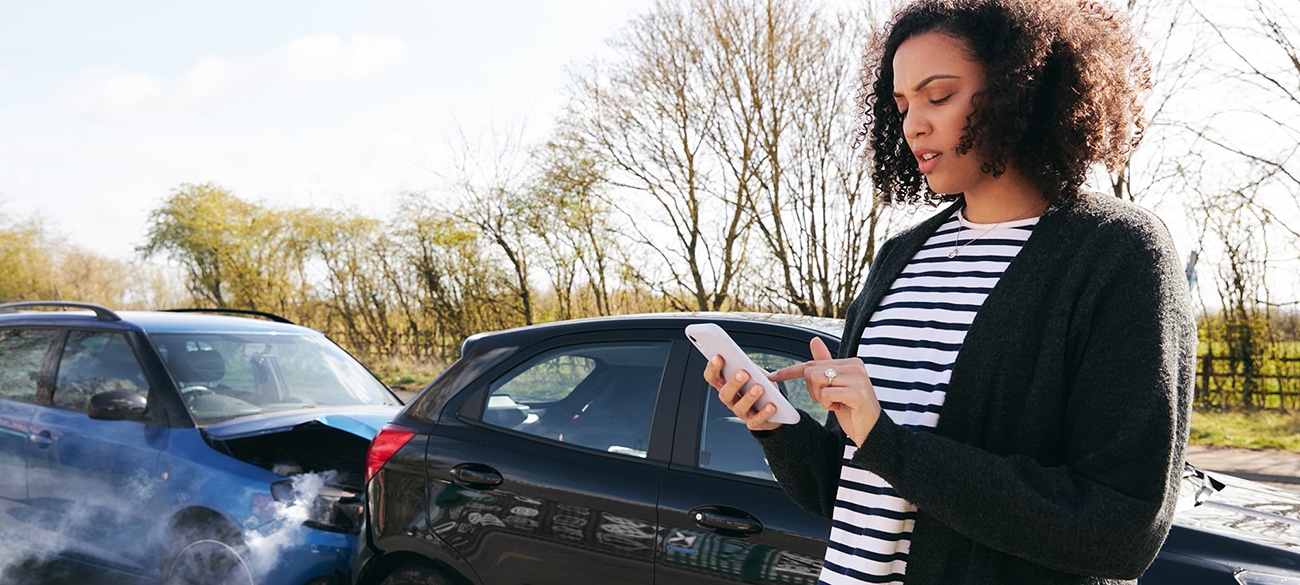
If your car is in an accident, you may decide to make a claim on your insurance. When making a claim if you’re in an accident, there’s a number of things you should do:
- Never admit fault at the scene of the accident
- Do exchange names and other details with any other drivers involved in the accident, and get details of any independent witnesses. If someone refuses to give you their details, your insurer may be able to trace them through their vehicle registration number, so make sure you note this down also. Do tell your insurer about the accident as soon as you can, even if you don’t want to make a claim
- If someone does have an injury, do show your insurance certificate or cover note to the police. If you are unable to do this at the scene of the accident, you have 7 days to take these documents to the police station.
- Make sure to take photographs where possible, which you may be able to use later as evidence should you need to make a claim.
Citizens Advice has a wealth of information regarding car insurance claims. Their article ‘Vehicle Insurance – making a claim if you’re in an accident’ applies to drivers in England.
How long does a car insurance claim take?
The time between making an insurance claim, and for it to finalise, can be anywhere between a week, a month or even a year, and the only thing you can really do is to wait patiently, unless your provider advises you otherwise.
How long it takes depends on the claim itself, for more straightforward claims these are resolved relatively quickly but for more complicated cases where the cause of the accident isn’t always clear, this could take much longer.
How long does a claim stay on my car insurance?
Claims typically stay on your insurance for 3-5 years, including their value. During this time, you should expect to pay more for your insurance cover, especially if the accident led to a costly claim or it was determined to be your fault.
Share this story
Help us to help you!
Was this content helpful?
Your feedback is greatly appreciated, to help us provide beneficial articles in the future.
